Discover the
Wonders of Indonesia
From breathtaking tropical islands and ancient cultural heritage to unforgettable adventures and authentic local experiences, explore Indonesia through carefully crafted journeys designed to inspire every traveler.
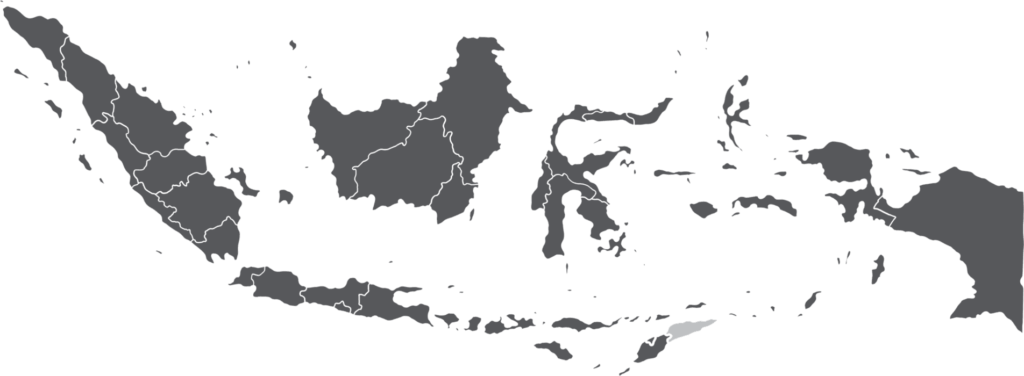
Indonesia is a large group of islands between Asia and Australia. The country’s name is derived from the Greek Indo’s (Indian) and nesos (islands). Indonesians often call their country very appropriately Tanah Air: Land and Water. Of the unimaginable number of more than 18,000 islands, about 3,000 are inhabited. The island of Sumatra is the largest island in the world after Australia with 9 million inhabitants. The equator runs right through the island. On the island of Java, about 4 times the Netherlands, about 150 million people live, with Jakarta as the capital. This is the most visited island along with Sumatra and Bali.
Below is a brief description of the Most Visited Islands
Sumatera
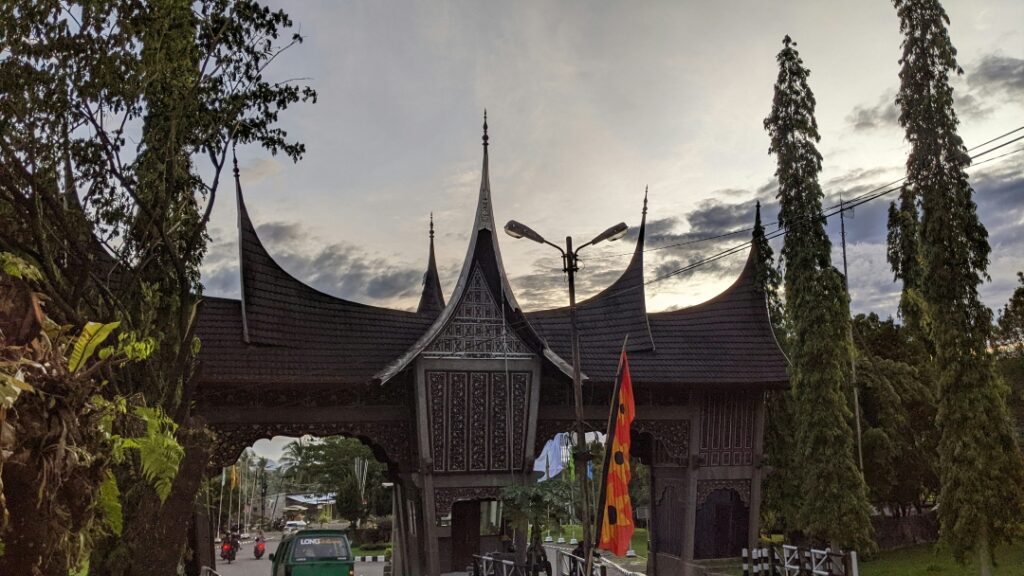
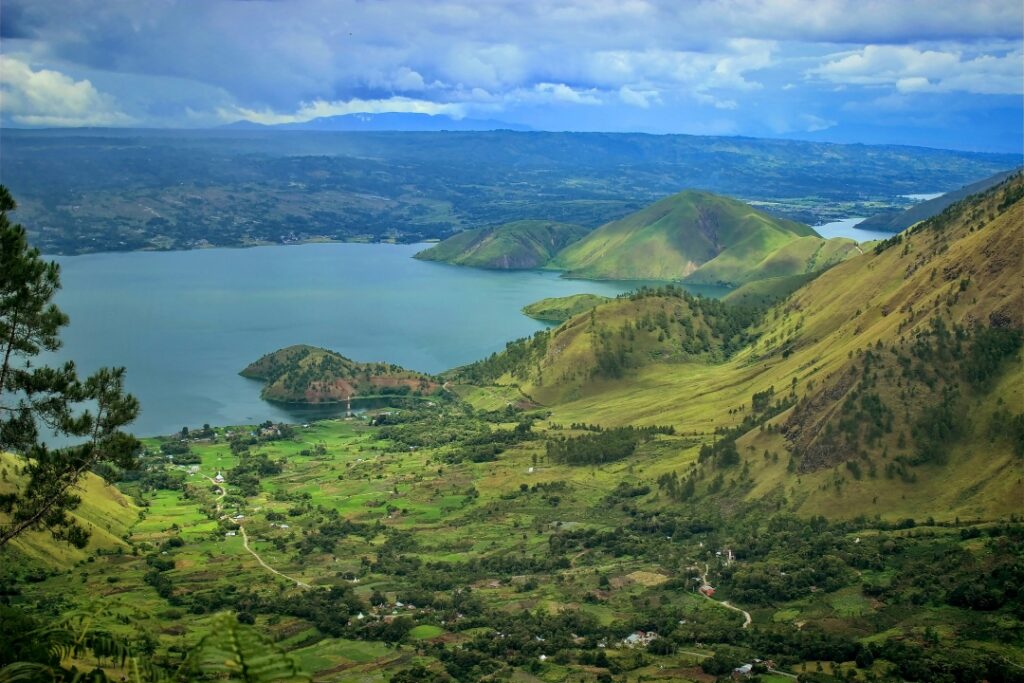
Sumatra is one of the larger islands of Indonesia and at the same time one of the most interesting. Especially in terms of nature, the northern part of the island has a lot to offer, you will find vast stretches of unspoiled rainforest. During a journey across the island, you will meet diverse population groups that still honor their unique ancient traditions, such as the Niassers, the Mentawai, the Batak, the Minangkabau and the proud inhabitants of the province of Aceh.
Especially in the economic field, the island is of great importance. Under Dutch colonial rule, a start was made with the agriculture of coffee, tobacco, rubber, palm oil, nutmeg and pepper, products that have continued to play an important role in the economic life of Sumatra and Indonesia. In addition, Sumatra is rich in raw materials such as oil and tin.

Java
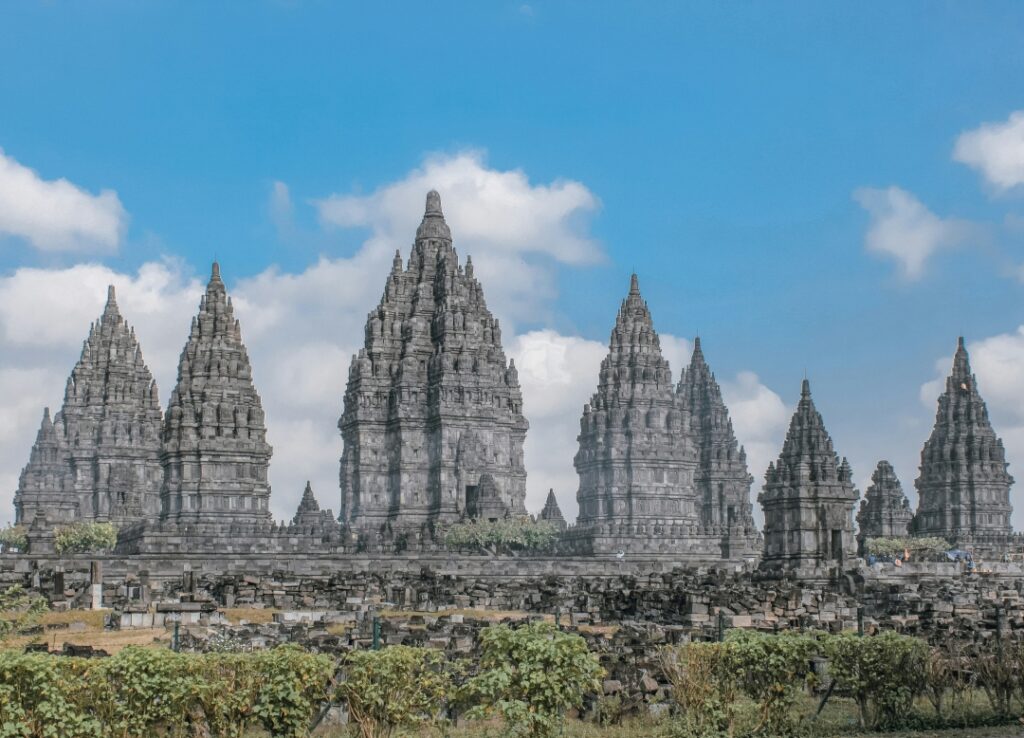
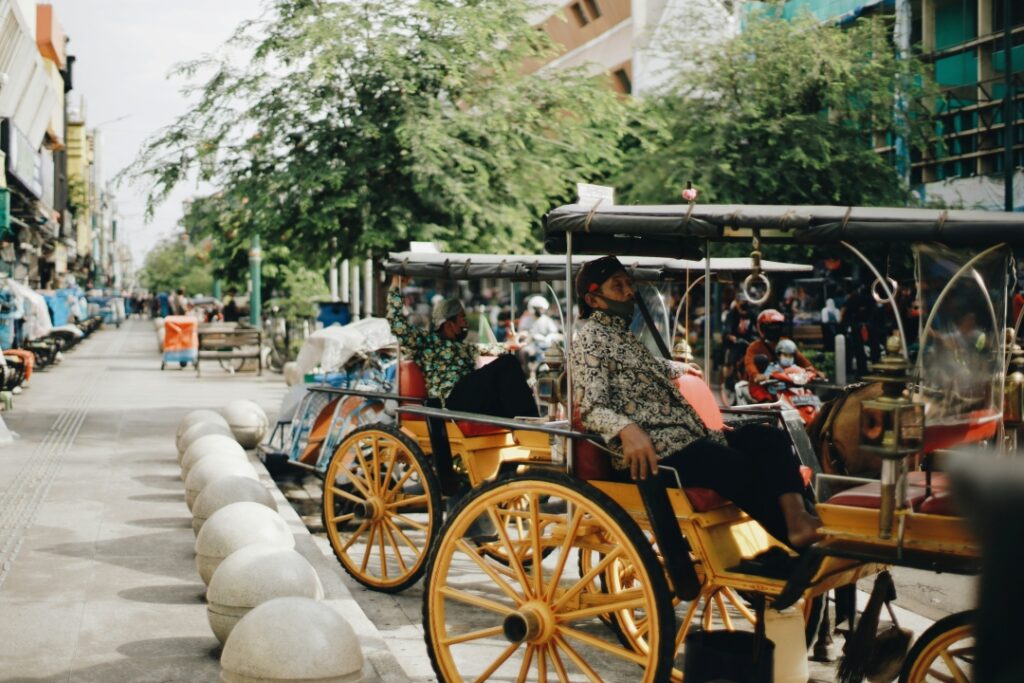
Despite modern changes, the island of Java remains a lush “green emerald” and the historic center of the Indonesian archipelago—a legacy shaped by both central Javanese royal courts and Dutch colonial administration. Today, Jakarta serves as a bustling, cosmopolitan gateway to the nation. However, to truly experience authentic, refined Indonesian culture, one must visit the traditional cultural hubs of Yogyakarta and Solo, famous for their elegant court dances and puppetry.
Administratively, Java is divided into three provinces (West, Central, and East Java) and two special province-level cities (Jakarta and Yogyakarta). Among its highlights is Bogor, a West Javan city of 300,000 residents located 50 km from Jakarta. Bogor is world-renowned for Kebun Raya Bogor (formerly known as ‘s Lands Plantentuin during the Buitenzorg era). This massive 87-hectare botanical garden houses thousands of plant species from around the globe, including the Brazilian rubber tree (Hevea brasiliensis) and the Rafflesia—the world’s largest flower, famous for its massive size and uniquely pungent scent.
Bali
Bali is the first of a series of islands known as the minor Sunda Islands. The Balinese call their island “the gift of the gods”. Bali is therefore called Pulau Dewata: Goddess Island.
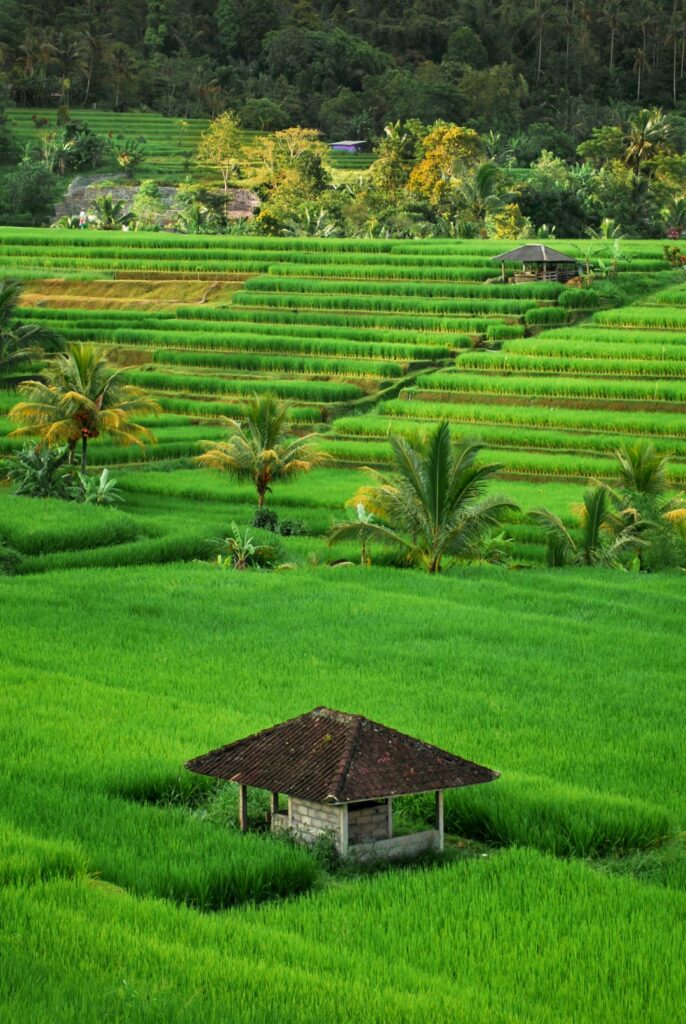
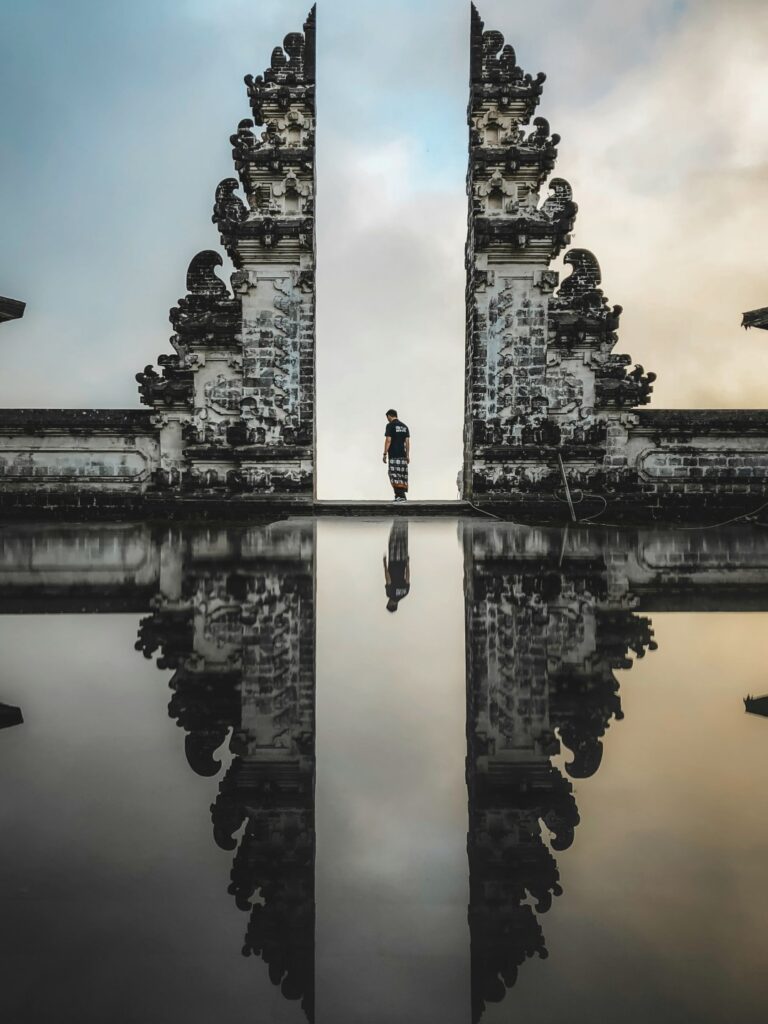
Bali forms a Hindu enclave among its Islamic neighboring islands. Every day there are several colorful temple ceremonies where one is a welcome guest in compliance with some rules of conduct. It is these events that make a visit to the island such a special experience. In addition, according to experts, Bali has the most beautiful sawas in Indonesia. Extraordinary is the creativity of the Balinese. One perfects himself in addition to a regular job in one of the many Balinese art forms such as woodcutting, painting, dancing or making music.
Lombok
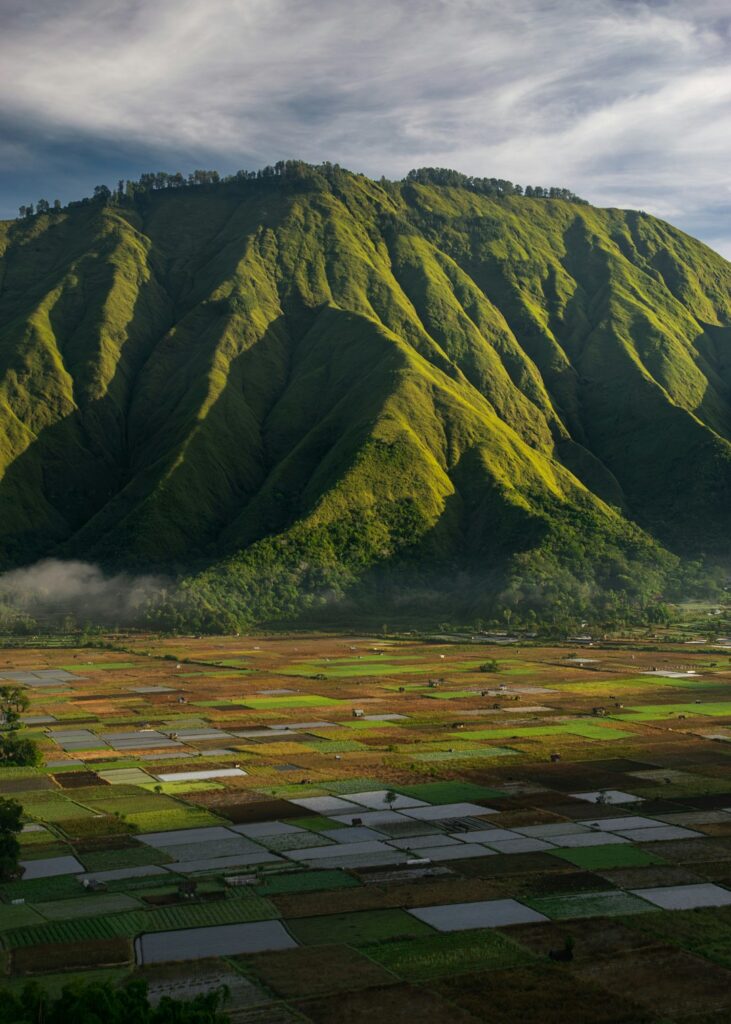
Lombok is home to over 2.4 million people, dominated by the indigenous Sasak people (80%), who are distinct for their wavy hair and believed to originate from Northwest India or Burma. The western part of the island is home to about 85,000 Balinese—a legacy of their rule until 1894—who introduced wet rice farming to the island.
Driven entirely by agriculture and marine resources rather than modern industry, Lombok’s economy thrives on :
- Agriculture : Self-sufficient in rice, Lombok also produces coffee, tobacco, soybeans, teak wood, and bamboo.
- Local Culinary : Famous for its riverbed-grown water spinach, the key ingredient in the signature dish Pelecing Kangkung.
- Key Exports : Pumice (to Hong Kong), sea cucumbers (to Singapore and Taiwan), and seaweed used globally for cosmetics.
Sulawesi
Sulawesi also has a lot to offer in terms of culture. The local population groups have had a great influence on the culture on Sulawesi. The Toraja (Central Sulawesi) are the most famous ethnic group of Sulawesi. Sulawesiis the land of the Toraja tribes. When you visit Tana Toraja you can get acquainted with these special culturesand see how the Toraja live. Most tourists come not only for the Toraja culture, Sulawesi has beautiful coral reefs that are among the best in the world.
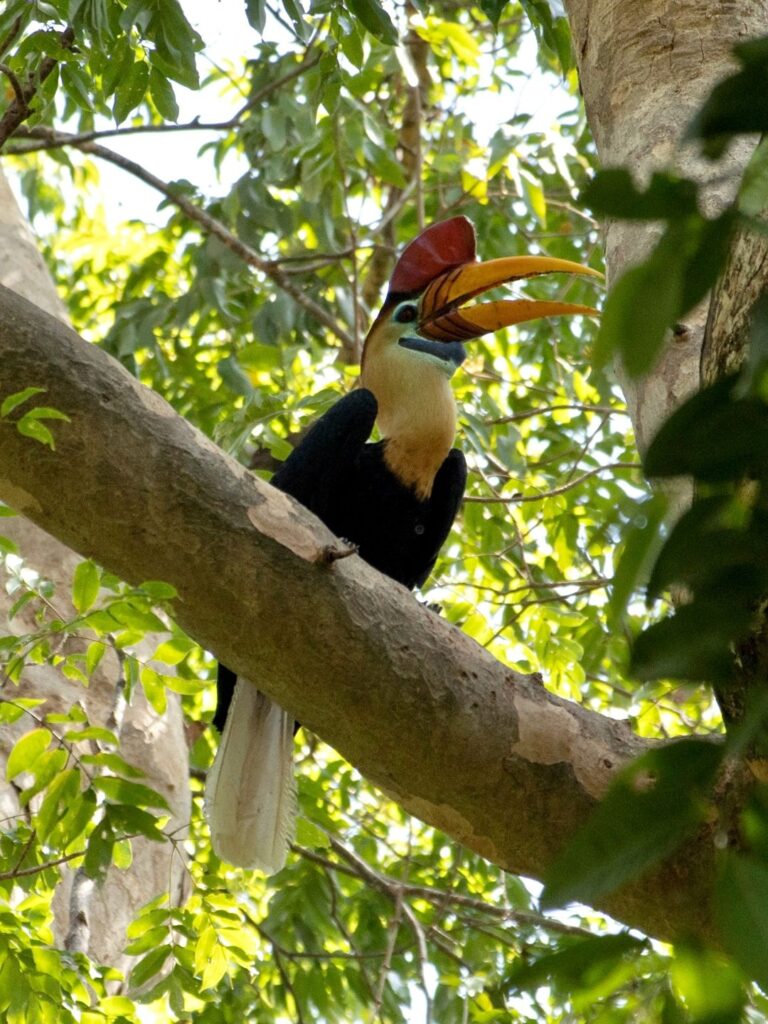
Sulawesi has a varied landscape in which you will encounter mountains, volcanoes, plantations, dry valleys and beaches. Due to the natural isolation caused by the deep surrounding sea streets, animal species have evolved on Sulawesi. If you are looking for relaxation in Sulawesi then you can visit one of the many beaches. There are a number of beautiful beaches in the north, southeast and south. Sulawesi has three cities that are also important centers of the island’s three major ethnic groups. The Buginese are found in southern Makassar, the Toraja in central Rantepao and the Minahassers in northern Menado. These three cultures leave their mark on these three cities.
Flores and Komodo
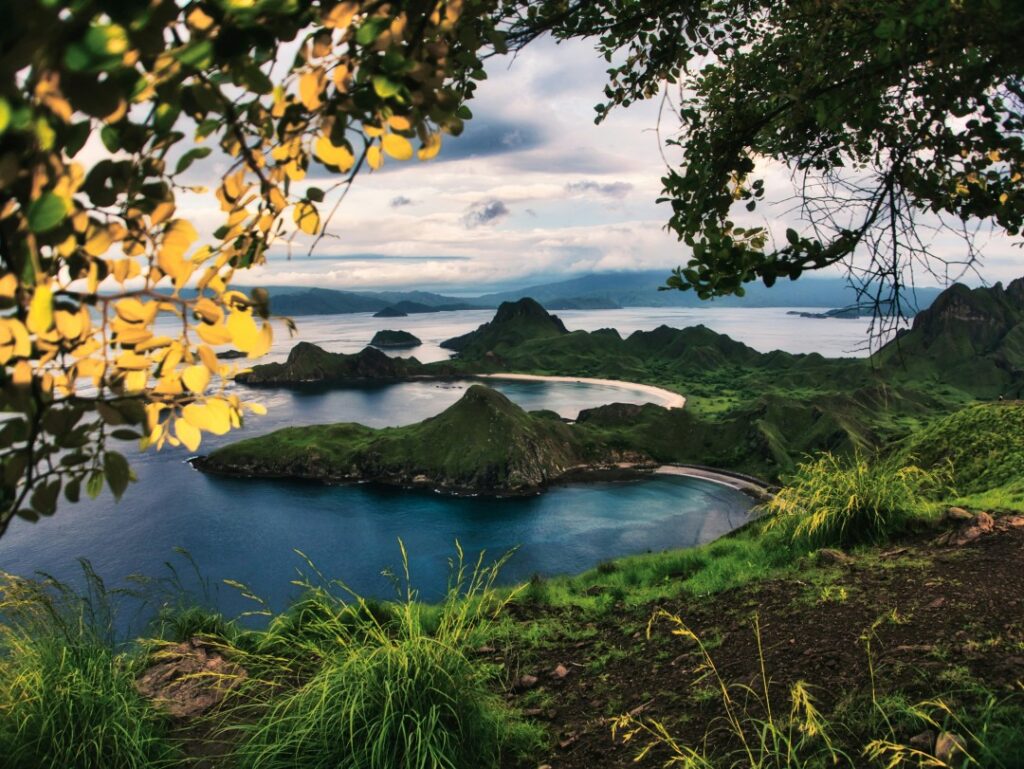
Flores (Portuguese for “flowers”) is a heavily rugged Indonesian island in the Lesser Sunda chain. Spanning 14,300 km², its dramatic landscape features a continuous chain of active and extinct volcanoes stretching from east to west. Flores occupies a central position in the archipelago, bordered by:
- North: Flores Sea (towards Celebes/Sulawesi)
- South: Sumba Strait (towards Sumba)
- East: Strait of Lowotobi (towards Solor and Adonara)
- West: Komodo and Sumbawa islands
- Southeast: Timor island
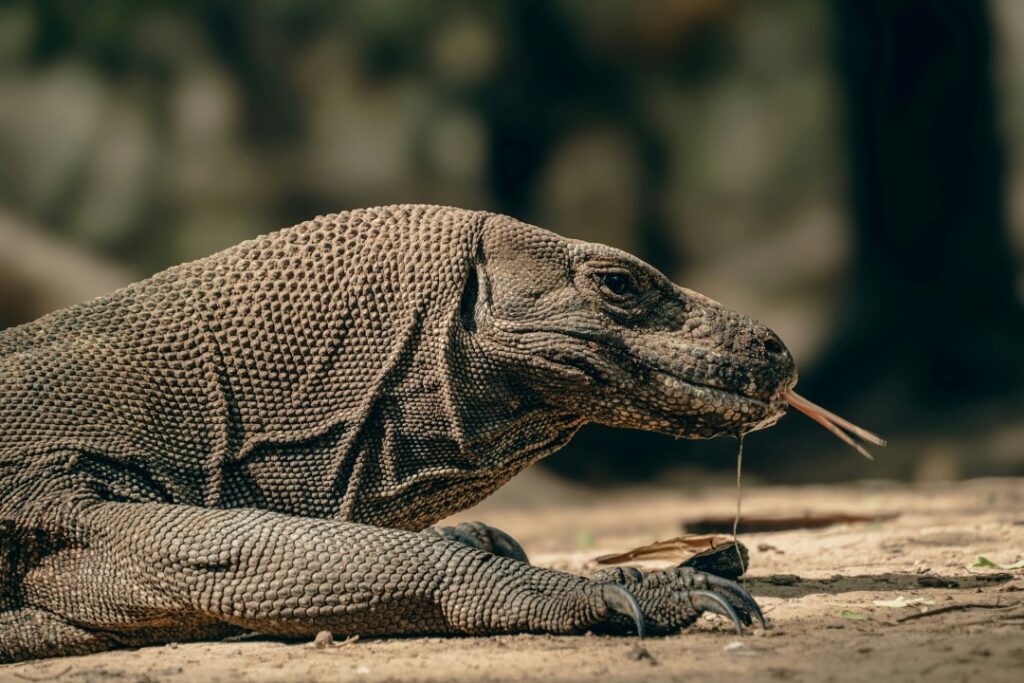
Nestled between Sumbawa and Flores is Komodo Island, one of the three main islands of the world-famous Komodo National Park. Covering about 390 km², the island is home to around 2,000 residents, some of whom are descendants of exiled prisoners. The local population is predominantly Muslim, with vibrant Christian and Hindu minority communities.